

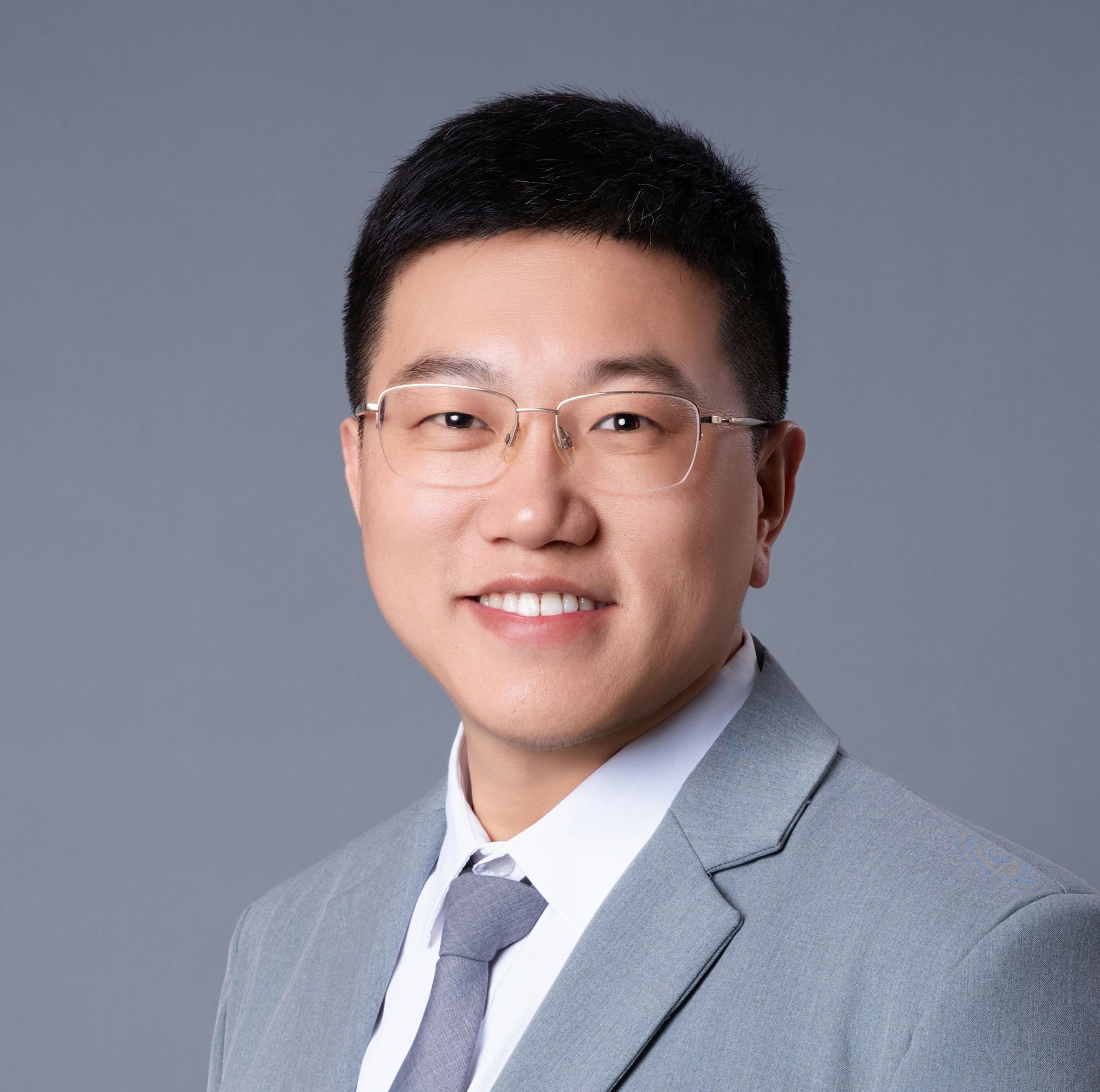
何松波,男,1981年4月出生。中国科学院大连化学物理研究所化学工程专业博士学位(2004.9-2009.5,导师孙承林研究员)和荷兰格罗宁根大学化学工程专业博士学位(2019.4-2022.6,导师Hero Jan Heeres教授、荷兰工程院院士、荷兰皇家艺术与科学学院院士)。2009年7月在中国科学院大连化学物理研究所大连洁净能源国家实验室(筹)参加工作,2011年10月晋升为副研究员,2013年4月任环境催化工程研究组副组长。之后在荷兰特文特大学(2014.4-2016.9)和荷兰格罗宁根大学(2016.10-2021.12)从事博士后工作;并于2021年10月获聘江苏特聘教授,任南京工业大学(2022.1-2025.1)教授。2025年2月回到中国科学院大连化学物理研究所工作,任环境催化工程研究组组长、研究员。
何松波研究员自2014年起长期从事可循环碳(如木质纤维素生物质、粗甘油、非食用油脂和废塑料)可持续催化转化制可再生和生物基燃料和化学品(如可持续航空燃料和生物质基芳烃)领域的催化反应装备、多相催化剂、催化反应机理及动力学、技术经济性分析及生命周期分析的科学基础研究以及不同技术就绪指数(TRL 2-6)的工程应用研究。主持荷兰研究理事会NWO-KIEM GoChem项目、荷兰企业局RVO-TSE studies项目、国家自然科学基金-面上项目、国家自然科学基金-青年项目和辽宁省自然科学基金-面上项目各1项,完成了生物柴油工业副产粗甘油和制浆造纸工业副产污泥的可持续催化转化中试示范(均为国际首套,100公斤/时进料)。在Chemical Reviews、Applied Catalysis B: Environmental、Green Chemistry、ACS Sustainable Chemistry & Engineering、Chemical Engineering Journal、Green Energy & Environment、催化学报等国内外重要能源和化工SCI期刊发表论文60篇(其中第一作者/通讯作者文章43篇);撰写英国皇家化学学会Specialist Periodical Reports-Catalysis系列丛书2章(均第一作者/通讯作者);发表中文核心期刊文章20篇;多次参加在美国、意大利、荷兰、德国、新加坡和泰国等国举办的国际学术会议并作专题报告2次和口头报告8次;申请PCT专利2件(均第一发明人),中国授权专利6件(其中两件为第一发明人)。获省部级科学技术进步奖贰等奖和叁等奖各1次(排名5/9)。兼任中国环境科学学会特邀理事(2025-2030年)和巴塞尔公约亚太区域中心化学品和废物环境管理智库专家(2024-2029年)。
Songbo He, Prof. Dr., Group Leader of Environmental Catalysis Engineering
Songbo He obtained his Ph.D. in Industrial Catalysis from the Dalian Institute of Chemical Physics (DICP), Chinese Academy of Sciences, PR China in July 2009. He joined the same institute as an assistant professor in September 2009 and became an associate professor in October 2011. He then moved to The Netherlands in April 2014. He worked as a postdoc at the University of Twente (till September 2016) and the University of Groningen (till January 2022), from which he obtained his Ph.D. in Sustainable Catalysis in June 2022. He was appointed as a distinguished professor of Jiangsu Province In October 2021 and served as a professor at Nanjing Tech University (till January 2025). In February 2025, He was appointed as a professor at DICP, leading the group of Environmental Catalysis Engineering. His group focuses on the chemocatalytic recycling of circular carbon (lignocellulosic biomass, non-edible oil and fats, and end-of-life plastics) to renewable and biobased fuels and chemicals (sustainable aviation fuel and bio-based aromatics) via sustainable catalysis approaches (ex-situ catalytic pyrolysis, hydrogenation/dehydrogenation, and oxidation).
Google Scholar: https://scholar.google.ca/citations?user=LTqE0uIAAAAJ&hl=en
ORCID: https://orcid.org/0000-0002-5001-6620
Scopus: https://www.scopus.com/authid/detail.uri?authorId=23492704500